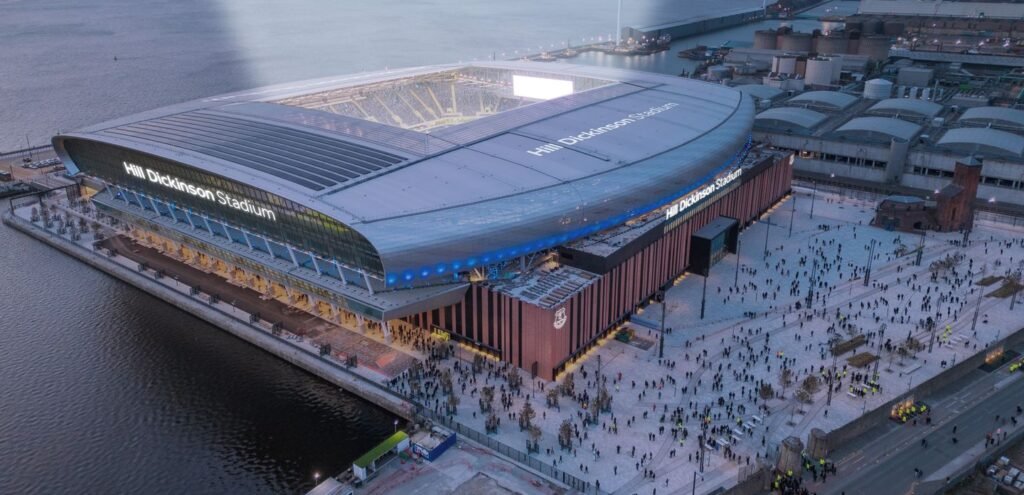
One of the buildings I am most looking forward to visiting is the Hill Dickinson Stadium in Liverpool. As someone with a BA (Hons) and a Master’s degree in Architecture from the University of Liverpool, I enjoy exploring buildings that combine thoughtful design with a strong sense of place. The Hill Dickinson Stadium is at the top of my list because I believe it is one of the most architecturally significant football stadiums to be built in the UK in recent years.
I have always loved traditional industrial architecture. There is something timeless about old brick warehouses, dock buildings, and the industrial heritage that shaped cities like Liverpool. Rather than replacing that history, the stadium celebrates it while introducing a bold contemporary identity.
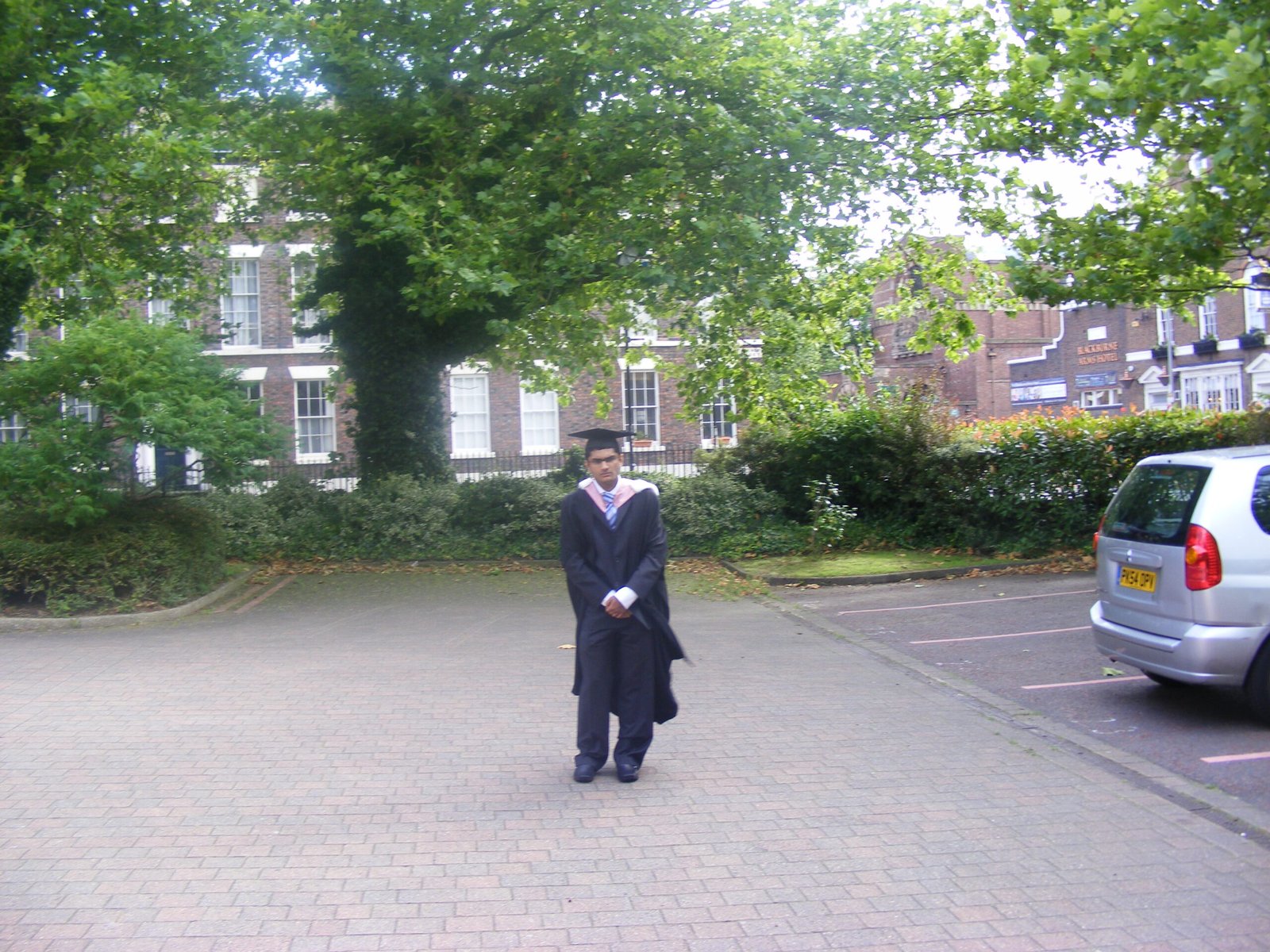
My connection with this project is also personal. I studied architecture in Liverpool, and during my degree I completed two design projects close to the Albert Dock. Spending so much time in that part of the city gave me a real appreciation for Liverpool’s historic waterfront, its docklands, and its remarkable collection of industrial buildings. Walking through those streets, you begin to understand why Liverpool’s architecture is admired around the world.
When I first saw images of the Hill Dickinson Stadium, one thing stood out immediately—it didn’t look like a conventional football stadium. Instead, it reminded me of a giant industrial warehouse that had been dramatically transformed by the forces of nature. To me, it looks as though a huge ship, or perhaps a powerful wave from the River Mersey, has crashed into the building, twisting and reshaping its form. That single architectural gesture gives the stadium a powerful sense of movement while still respecting its industrial surroundings.
What I admire most is the balance between tradition and modernity. The design acknowledges Liverpool’s industrial past through its robust materials and warehouse-inspired appearance, yet it is unmistakably a building of the twenty-first century. It doesn’t copy history; it reinterprets it in a fresh and exciting way.
Another aspect that makes the stadium so distinctive is its overall form. Most football stadiums tend to be either circular or rectangular. The Hill Dickinson Stadium successfully combines both. The seating bowl provides the practicality of a rectangular football stadium, while the flowing external form introduces elegant curves that soften the building and make it feel dynamic. The result is a stadium with a unique identity unlike any other.
Perhaps the greatest success of the project is how context-sensitive it is. Great architecture belongs to its place, and this stadium feels as though it could only ever have been built on Liverpool’s historic waterfront. It responds to the city’s industrial heritage, the River Mersey, the surrounding docks, and Liverpool’s maritime history in a way that would lose much of its meaning if it were placed anywhere else.
The reason I want to visit the stadium is not simply because I enjoy football. I want to experience the architecture firsthand. Photographs can never fully capture how a building feels. I want to walk around it, study how it meets the ground, examine the materials up close, observe how natural light interacts with the façade, and understand how the building sits within its surroundings. I also want to compare my first impressions from photographs with the experience of seeing the building in person.
After my visit, I plan to write a second blog post reflecting on whether the stadium lived up to my expectations. I will discuss the design in greater detail, share my own photographs, and explain what worked well architecturally and what, if anything, I would have designed differently. I think this will make an interesting series because it will allow readers to follow my journey from studying the building through drawings and photographs to experiencing it in real life.
For me, the Hill Dickinson Stadium is far more than a venue for football. It is an architectural statement that respects Liverpool’s history while looking confidently towards the future. It demonstrates that contemporary architecture can embrace local identity instead of ignoring it, creating a building that is both memorable and deeply rooted in its surroundings. I can’t wait to visit it and see whether it is as impressive in person as it appears in photographs.
By Adam Haris Hamdan